The highway from Amsterdam to Belgium undid me quietly. I say this having just spent over a week in Amsterdam, which is no small thing. But there is something about a road that has been properly looked after, wide and deliberate and sure of itself, that makes you feel, without warning, that the world is capable of being taken care of. I pressed my face to the window and thought exactly that.
A truck passed with Van der Waals written on its side. I felt briefly, absurdly, luminous. Science students will understand. Everyone else, keep scrolling.
We stopped at a Starbucks. The menu was unrecognisable from anything I’d encountered across South Asia; different drinks, different assumptions about what a person might want. I had a cold brew. I always have a cold brew. But I remember the quiet thrill of difference, the particular pleasure of a world that turns out to be larger than you measured it.
Brussels first. A building, grand, official, the kind that in India would announce itself with barricades and guards and the full theatre of importance. My aunt told me it was the European Parliament. It had no barricades. It made no announcement. It simply existed, in the middle of a city, as though power had long since decided that performance was beneath it. I felt comfortable. Not the comfort of familiarity, something older and more specific than that. The comfort of recognising, without being able to say why, an arrangement that made sense. I was 16. I filed it away without a name.
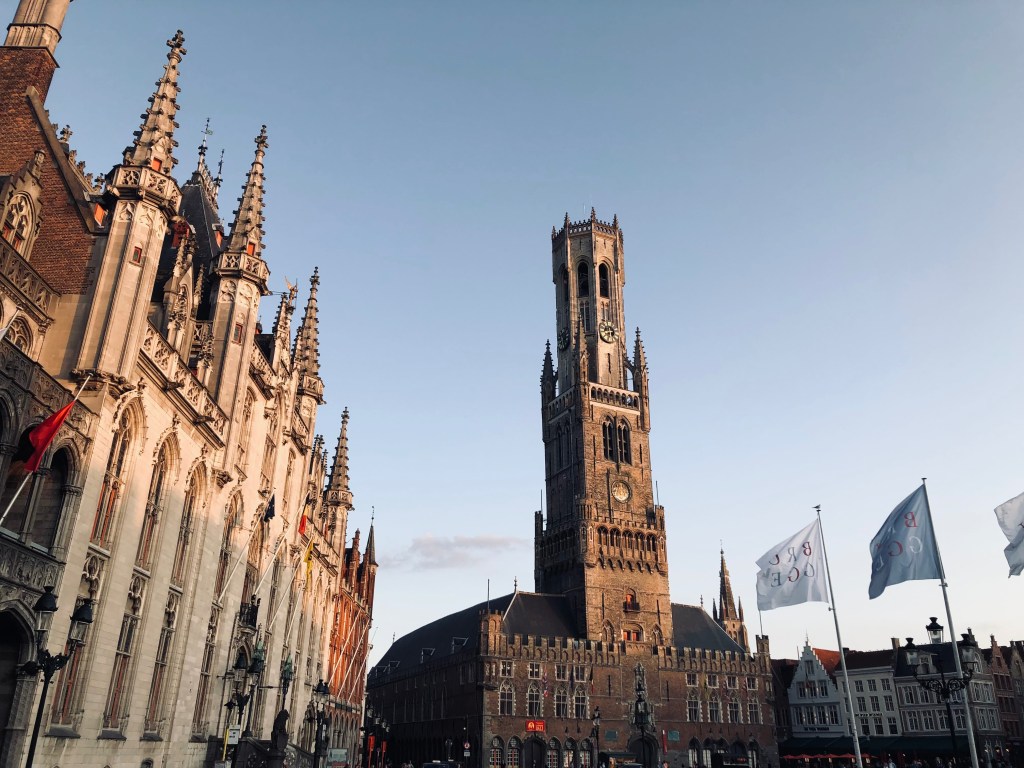
Then Bruges.
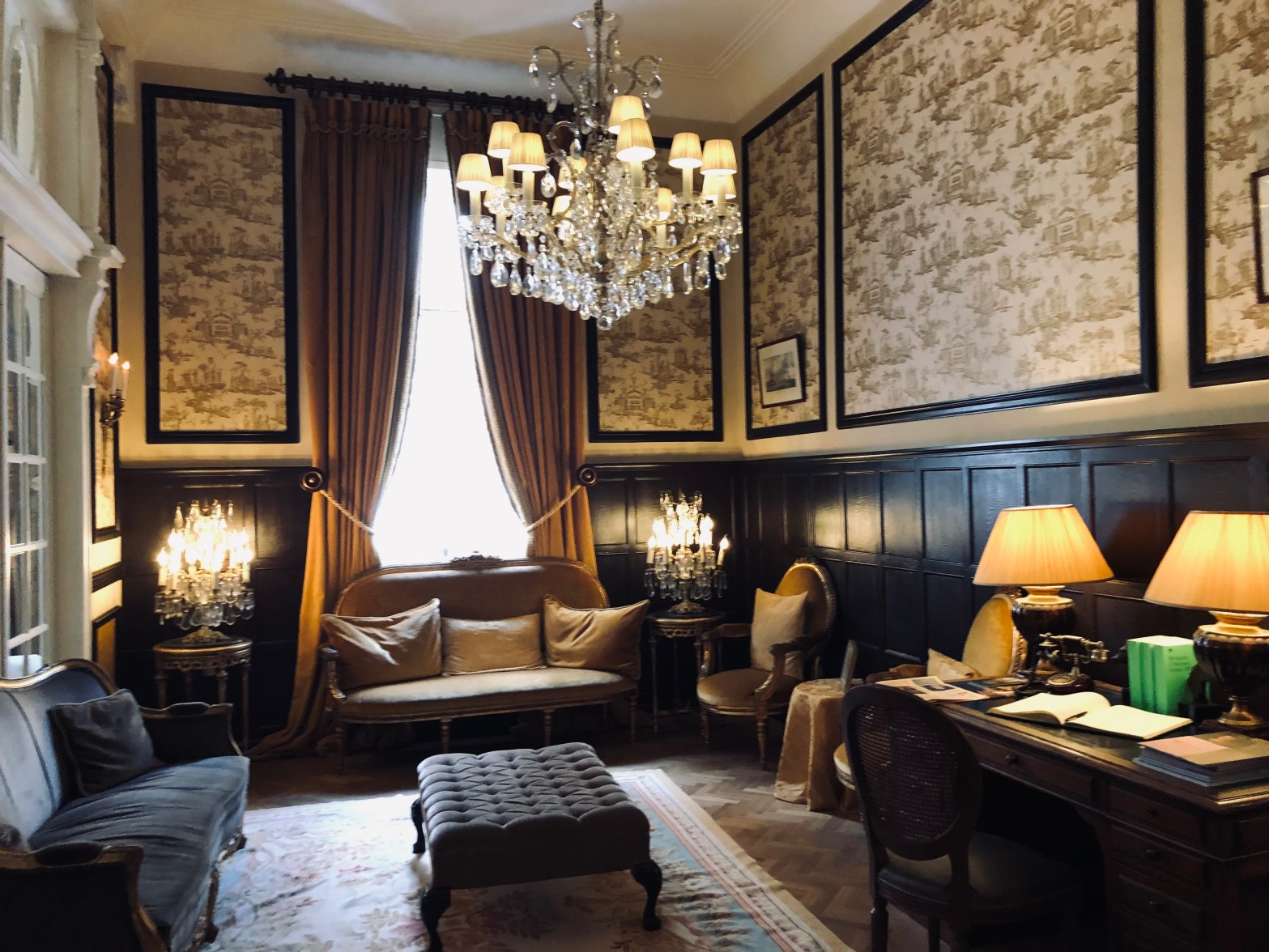
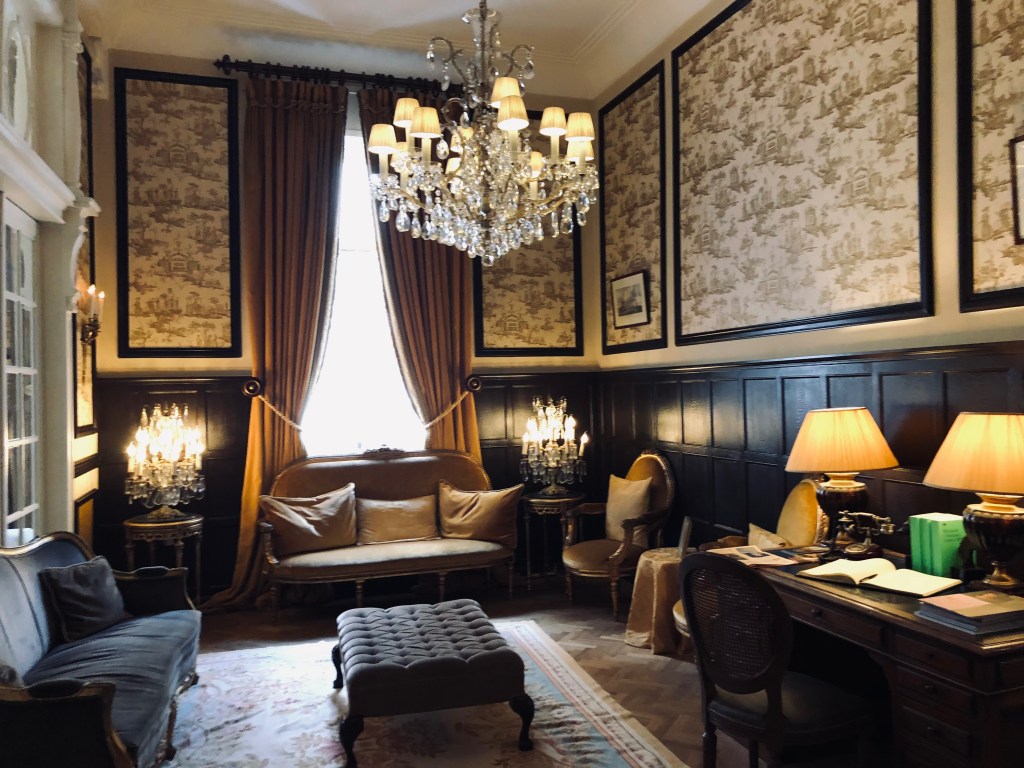
Hotel Heritage sits in the historic centre as though it has always been there and always intends to be. Crystal chandeliers. Toile wallpaper. Dark wood paneling that absorbs the lamplight and gives nothing back. The kind of interior that does not ask you to admire it, it simply is, and you simply do. It smelled of waffle batter from somewhere downstairs. The real kind. Butter and honey. Made without apology. I woke without any discomfort every morning of that stay. I, who have built a considerable philosophy around the wrongness of mornings, woke without a fuss. Make of that what you will.
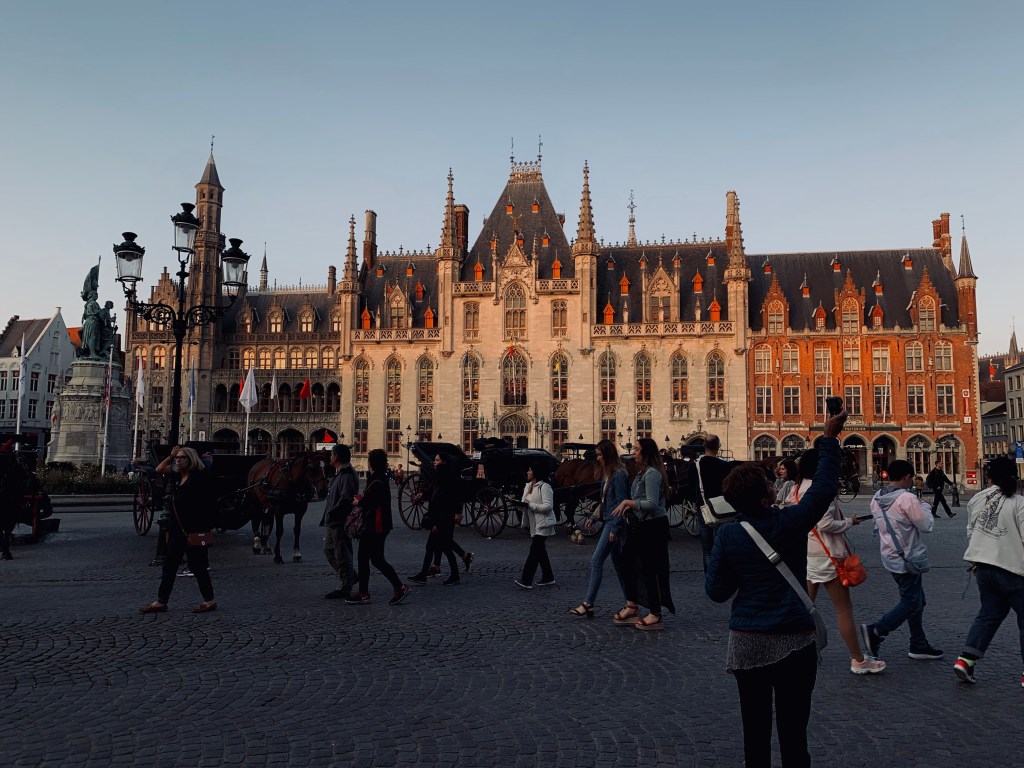
One morning, opposite the Historium, there was a farmer’s market. I hate beets. I want this established clearly. And yet the smell of fresh beets in that square at that hour was something I have not been able to shake in seven years, which either says something about Bruges or something about me and I suspect it is both. The apples were so red they seemed to be making a point. A couple passed with a dog wearing what I can only describe as tiny formal shoes. The temperature had fallen to -5°C at 3am, in August. I should clarify, and I had slept through every degree of it, in a hotel that felt, improbably, like it had been expecting me.
There was a book in a shop window. A plane crossing a shoreline on the cover, the title in Dutch, a language I do not speak. I did not buy it. I am telling you about it seven years later. Draw your own conclusions.
The chocolate waffle from the street stall was, without ceremony, the superior argument against everything Godiva had to offer. We went to Godiva regardless, because there are rituals one observes. My cousin attempted to read my phone at some point. Medieval architecture, fresh beets, a dog in formal shoes, a nosy relative, the full compass of human experience contained within a single afternoon in Bruges.
Ghent followed; the castle, the cobblestones, a café nearby where I ate vegan pasta salad as though taste were something I had only just discovered I possessed. And then a brownie, produced from a rotating transparent case with gold rims, and I was altered. Vegan food, when made by someone who understands that care is an ingredient, is not the lesser thing. It is the destination. I did not know this before Ghent. I have not forgotten it since.
I remember a great deal of that trip. Never quite enough. There is a particular cruelty to the places that matter, they do not give themselves back whole. They give you fragments, smells, the precise red of an apple, the shoes on a small dog, a cover in Dutch you never opened. Enough to know what you had. Not enough to have it again.
I was 16. I was happy, not the managed kind, not the performed kind. Simply, entirely, unexpectedly happy, in the way you only recognise once it is already behind you and you are watching it disappear through a bus window, thinking: I want to come back to somewhere that felt like this.
I have not yet. That is its own kind of grief.
Song of the day: Holocene by Bon Iver

